
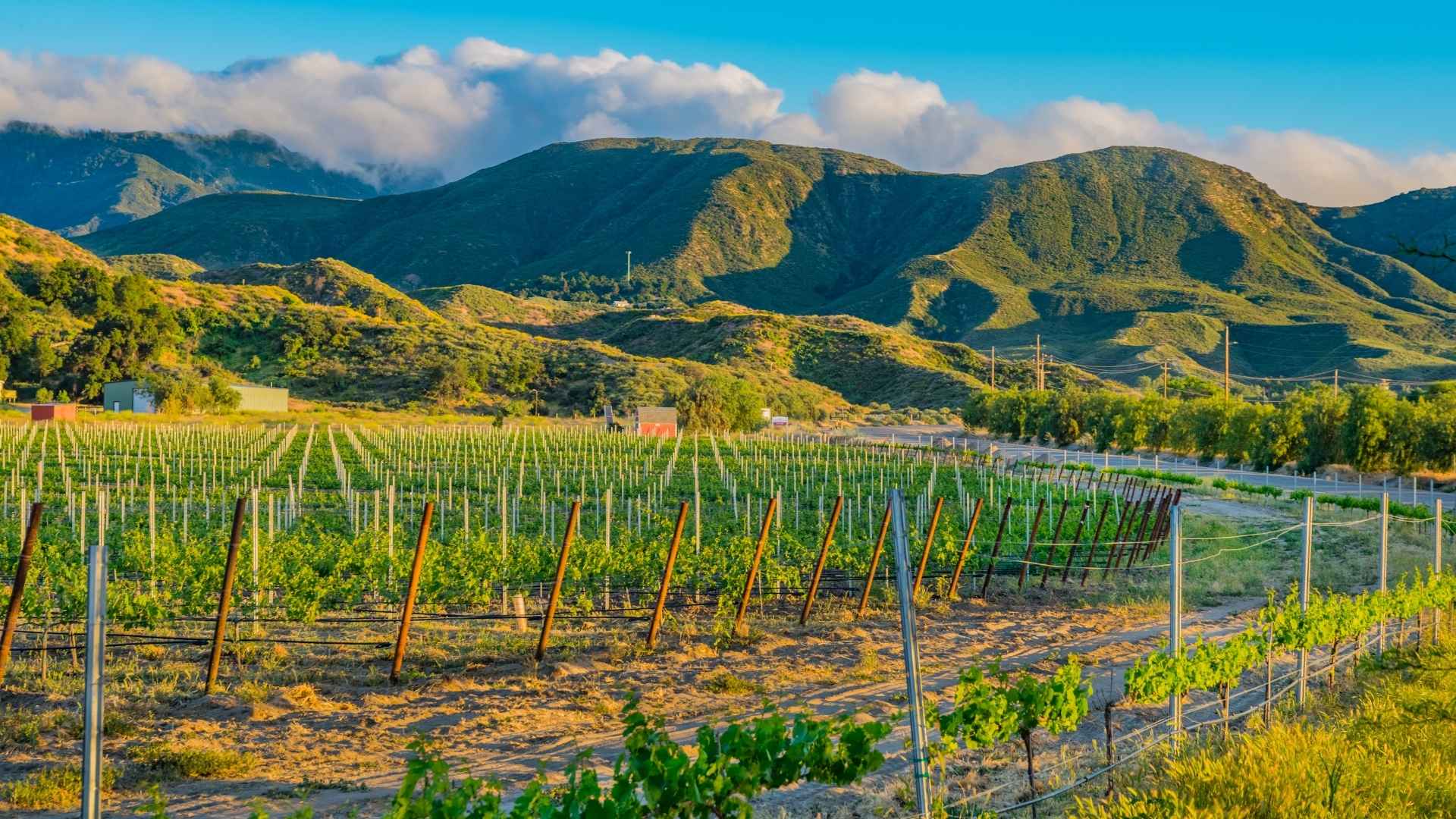
Temecula Valley Wine Country offers a type of Southern California real estate that is very different from a conventional suburban home.
Properties may include multiple acres, vineyards, equestrian facilities, wells, septic systems, private roads, agricultural improvements, outbuildings or land with development potential.
That flexibility is part of the appeal.
It also means buyers need a different due-diligence strategy.
Before purchasing a Wine Country estate, it is important to understand not only the residence but also the land, water, wastewater system, zoning, access, insurance and permitted uses that come with it.
Acreage Does Not Automatically Mean the Same Thing From Property to Property
Two five-acre properties can offer dramatically different utility.
Topography, access, easements, drainage, existing improvements, zoning, parcel configuration and available water can all influence what the acreage can realistically support.
A buyer interested in horses, vines, additional structures, agricultural operations or hospitality-related uses should not assume that lot size alone makes those plans possible.
Investigate the parcel first.
That includes confirming boundaries, reviewing available surveys and title information, identifying easements and understanding whether existing roads, utilities or other improvements cross the property.
For complex acreage, survey or land-use professionals may be appropriate.
Understand the Temecula Valley Wine Country Policy Area
Wine Country is not governed by one universal set of land-use rules.
Riverside County’s Temecula Valley Wine Country planning framework establishes distinct areas intended to preserve the character and long-term function of the region.
Current county documents describe Winery, Equestrian and Residential districts, with district-specific policies designed to support compatible land uses.
That distinction matters to buyers.
A use that may be possible on one Wine Country parcel may be restricted, discretionary or inappropriate on another.
Existing zoning can also differ from broader plan designations, and some projects require changes of zone or discretionary approvals to align proposed uses with Wine Country policies.
Before purchasing based on plans for a vineyard, winery, equestrian operation, event use, lodging, short-term rental, commercial activity or substantial new construction, buyers should confirm the parcel’s current zoning and applicable county requirements directly with Riverside County and qualified land-use professionals.
Do not rely solely on how neighboring properties are being used.
Private Wells Require More Than Turning on a Faucet
Some Wine Country properties obtain water from private wells rather than conventional municipal service.
A functioning faucet does not establish that a well is adequate for a buyer’s intended use.
Riverside County Environmental Health oversees wells and requires county permitting for the construction, reconstruction or destruction of wells.
For an existing well, buyers should investigate available permit records and consider appropriate professional testing.
Questions can include:
How much water does the well currently produce?
At what depth?
How old is the well and pumping equipment?
Is the well domestic, agricultural or another classification?
What is the condition of the pressure tank and related equipment?
Has water quality been tested?
Is storage capacity available?
Are there historical records regarding declining production or a dry well?
A buyer planning substantial landscaping, horses, vineyards or other agricultural uses should also think about water demand differently from someone purchasing the property primarily as a residence.
Riverside County specifically distinguishes agricultural wells from drinking-water wells, and conversion of an agricultural well to drinking-water use involves additional county review.
Well Production Can Change
A well’s historical performance does not guarantee future production.
Groundwater conditions, drought, neighboring usage, equipment condition and other variables can change over time.
For that reason, buyers should discuss appropriate well-yield and water-quality testing with qualified professionals.
If the property depends entirely on the well, understanding the system before closing can be especially important.
Large storage tanks and sophisticated treatment equipment should also be inspected rather than assumed to be functioning correctly.
Septic Systems Are a Major Part of Rural Property Due Diligence
Many rural estates use onsite wastewater treatment rather than a public sewer.
Riverside County Environmental Health oversees septic systems and maintains permitting requirements for new installations and modifications.
For a purchase, buyers should identify the system’s location, apparent age, capacity and available permit history.
A professional septic evaluation can help assess accessible components and system performance.
Buyers should also determine where the existing disposal field and reserve area are located.
This can matter significantly if future plans include a pool, guest house, accessory structure, expanded residence, barn or other improvement. A proposed structure cannot simply be placed wherever open land happens to exist if that location conflicts with required septic components, setbacks or other regulations.
For new septic systems, Riverside County requires a permitting process that includes items such as a percolation report, detailed plans and documentation of water service.
Agricultural Uses Should Be Verified Before the Purchase
Wine Country naturally attracts buyers interested in vines, orchards, equestrian activities and other land-based uses.
But “agricultural property” is not a blanket authorization for every agricultural or commercial activity imaginable.
The permitted or discretionary uses depend on the parcel’s zoning, district, acreage, existing entitlements and proposed activity.
Commercial winery uses are particularly regulated.
County planning records demonstrate that winery projects can involve specific classifications, minimum parcel requirements and discretionary approvals depending on the project.
Buyers planning a business should investigate the exact proposal with Riverside County rather than assuming that an existing vineyard—or the word “Wine Country” in the address—authorizes a tasting room, restaurant, event facility or lodging operation.
Review Existing Structures and Improvements
Acreage properties frequently accumulate improvements over many years.
Barns, workshops, guest quarters, patio enclosures, retaining structures, agricultural buildings, arenas, utility connections and converted spaces should be evaluated against available permits and disclosures when applicable.
Existing use does not necessarily establish legal status.
If a structure is central to the buyer’s reason for purchasing the estate, determining its status before closing is especially important.
Fire Insurance Should Be Investigated Early
Insurance belongs near the beginning of the Wine Country home search, not the end of escrow.
California’s property insurance market has undergone substantial changes in recent years, particularly for homes with wildfire exposure.
Availability, premiums, deductibles and underwriting requirements can vary significantly from one parcel to another.
Buyers should obtain property-specific insurance information before removing applicable contingencies.
Where standard coverage is difficult to obtain, an insurance broker can explain available options. California’s FAIR Plan exists as an insurer of last resort for property owners unable to obtain qualifying coverage through the normal market, but FAIR Plan coverage should not simply be assumed to be equivalent to a conventional homeowners policy.
Depending on the circumstances, supplemental coverage may be necessary to address risks outside the FAIR Plan policy.
The important point is to understand the actual cost and structure of insuring the specific property.
Defensible Space and Property Condition Can Affect the Ownership Plan
Buyers should also evaluate vegetation, access, slope, water availability, outbuildings and the condition of the land itself.
Wildfire preparation can involve ongoing vegetation management and property maintenance, not merely obtaining an insurance policy.
Parcel-specific fire-hazard mapping and applicable state or local requirements should be verified using current official information.
For larger estates, maintenance costs can be material and should be incorporated into the ownership budget.
Private Roads and Easements Deserve Careful Review
Some rural properties rely on private roads or shared access.
Buyers should understand who owns the road, who has rights to use it, who is responsible for maintenance and whether a formal road-maintenance agreement exists.
Title documents may disclose easements for access, utilities, pipelines or other uses.
Those rights can influence where improvements can be placed and how the property can be used.
For a property reached by a long private drive, buyers should also consider emergency access, drainage and ongoing maintenance requirements.
Match the Investigation to Your Plans
The most important Wine Country question may be: What do you intend to do with the property?
A buyer seeking a private residence has a different diligence profile from someone who wants horses.
A vineyard buyer has different water and land-use considerations.
Someone planning an event business or hospitality use has an entirely different entitlement analysis.
The earlier the buyer defines those goals, the easier it becomes to determine whether a particular parcel actually supports them.
Buy the Land With the Same Care You Buy the House
Temecula Wine Country estates offer acreage, privacy and opportunities that are difficult to replicate in conventional Southern California neighborhoods.
But purchasing rural property requires understanding systems and regulations many residential buyers have never encountered.
Wells, septic systems, zoning, agricultural uses, easements, insurance, access and permit history can be just as important as bedrooms, kitchens and views.
The objective is not to make acreage ownership complicated. It is to discover the important facts before they become expensive surprises.
Landry & Powers’ Southern California experience extends from the coast to the vineyards, helping buyers approach distinctive properties with a strategy tailored to the real estate they are actually purchasing.
This article is for general informational purposes only and does not constitute legal, land-use, engineering, environmental, insurance or water-quality advice. Regulations and property conditions are parcel-specific. Buyers should independently verify intended uses and engage appropriate licensed professionals and public agencies before making decisions.