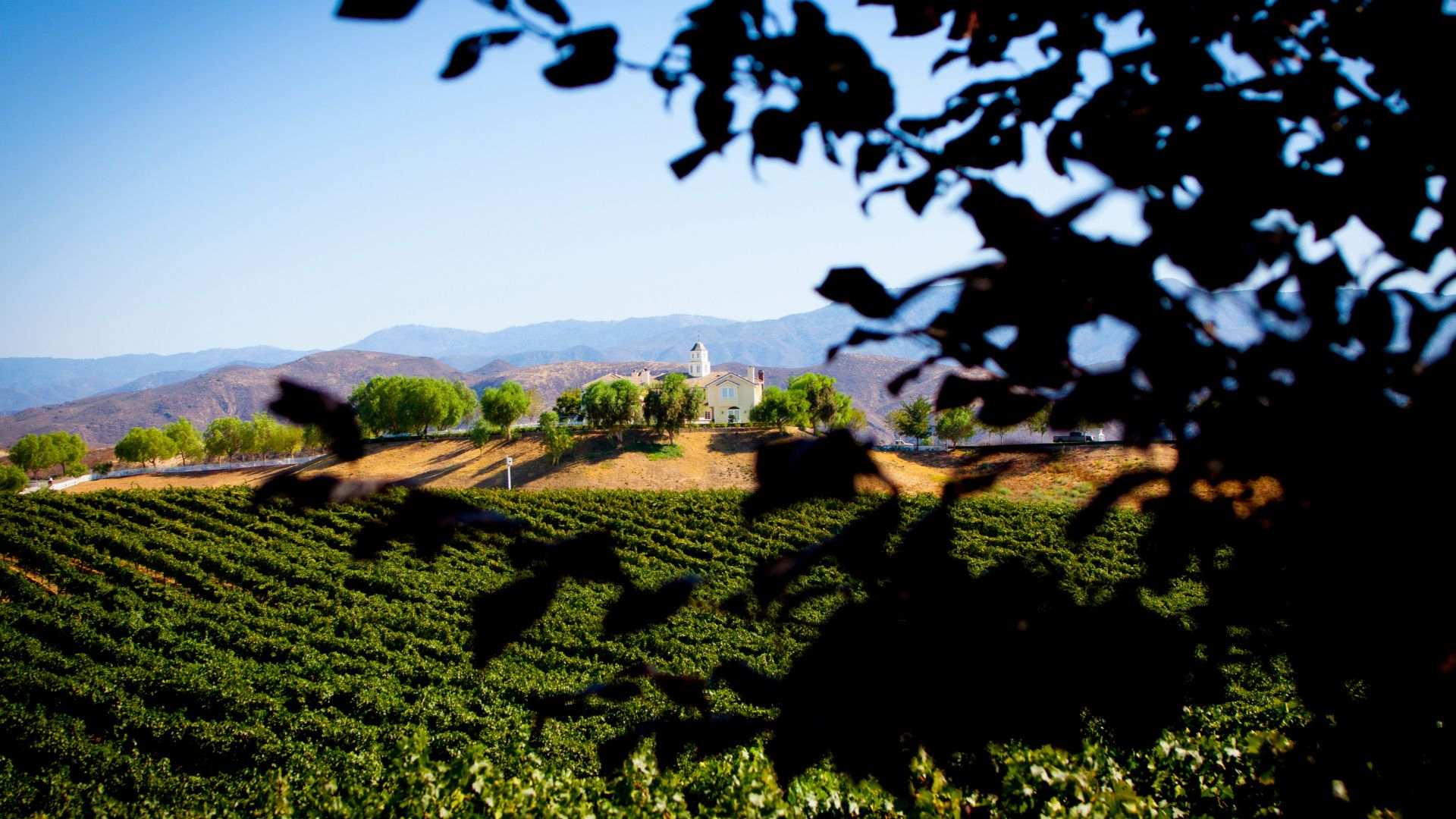
Wine Country Living: Buying a Home Near Temecula’s Vineyards
For many buyers, Temecula Wine Country represents one of Southern California’s most distinctive lifestyle opportunities. It offers vineyard views, rolling hills, custom homes, acreage, equestrian possibilities, resort-style properties, and a peaceful setting that still feels connected to San Diego, Orange County, Riverside County, and the Inland Empire.
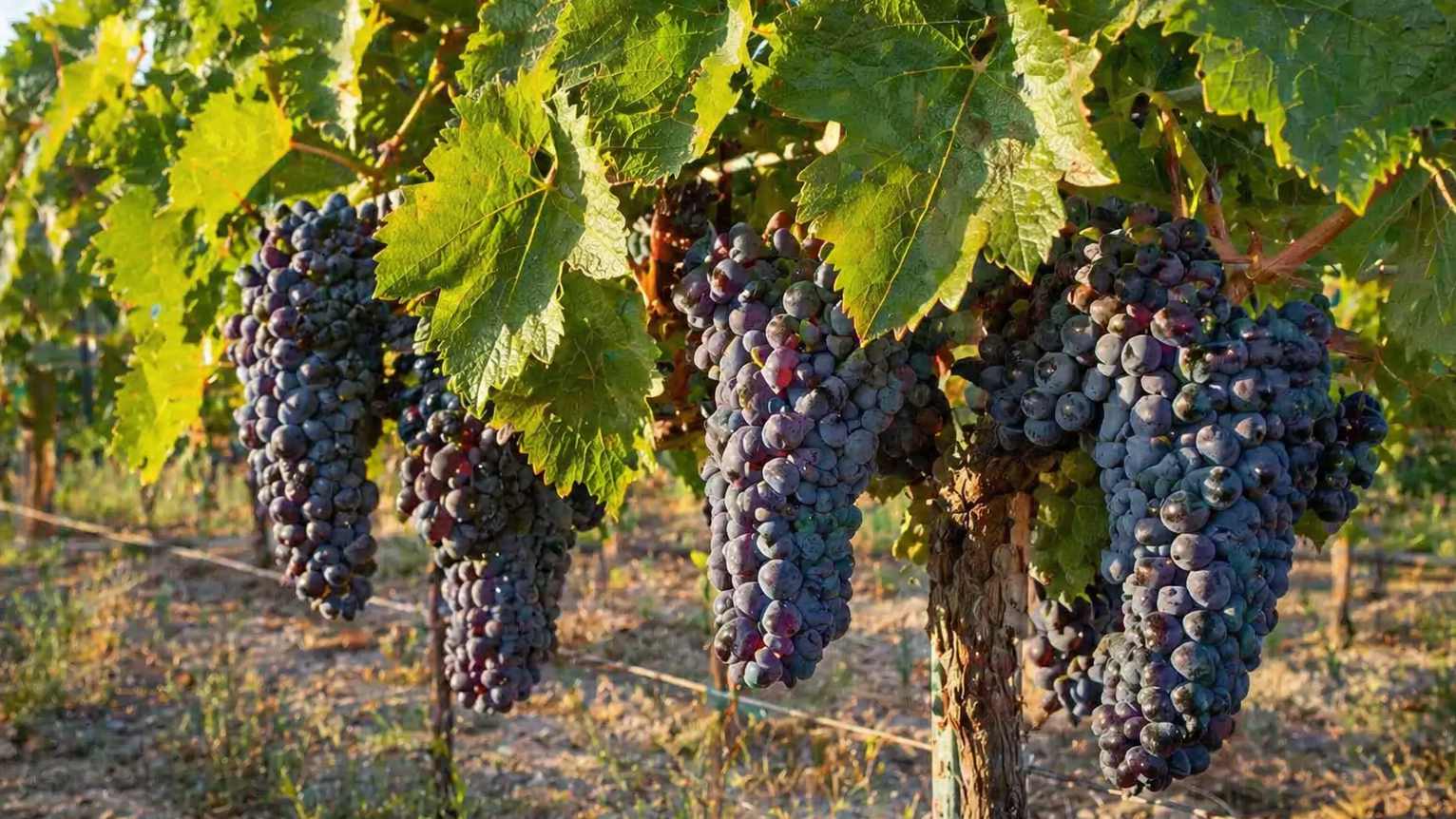
Temecula Valley is widely recognized as Southern California Wine Country, with nearly 50 wineries and a setting that draws visitors for wine tasting, dining, events, outdoor recreation, and a relaxed destination atmosphere. The Temecula Valley Winegrowers Association describes the region as nestled between the coast and mountains, with vine-draped hills, panoramic views, and warm hospitality. Visit Temecula Valley also highlights the area’s wine country identity, outdoor recreation, entertainment, culinary scene, and small-town atmosphere.
For buyers, that lifestyle can be incredibly appealing. But buying a home near Temecula’s vineyards is different from buying a home in a traditional subdivision. Properties may involve acreage, wells, septic systems, private roads, agricultural surroundings, fire insurance considerations, zoning questions, short-term rental rules, outbuildings, vineyards, horses, or unique maintenance needs.
If you are searching for Temecula wine country homes for sale, here is what to understand before making a move.
Why Buyers Are Drawn to Temecula Wine Country
Temecula Wine Country offers a lifestyle that feels rare in Southern California. Buyers may be minutes from tasting rooms, restaurants, wedding venues, boutique resorts, scenic drives, and open-space views, while still having access to shopping, schools, medical services, regional freeways, and everyday conveniences.
Many buyers are looking for more than a house. They want a setting. They want morning coffee with vineyard views, outdoor entertaining, privacy, room for guests, space for animals, a pool, a garden, a workshop, or a home that feels like a retreat.
For some, Wine Country is a full-time lifestyle. For others, it is a second-home or future-retirement vision. It may also appeal to buyers relocating from Orange County, San Diego, Los Angeles, or the Bay Area who want more land, more character, and a slower pace without leaving Southern California entirely.
Buyer takeaway: Temecula Wine Country is not just a location. It is a lifestyle decision, and the right property should support the way you actually want to live.
Wine Country Homes Are Not All the Same
One of the first things buyers should know is that Temecula Wine Country includes a wide range of property types.
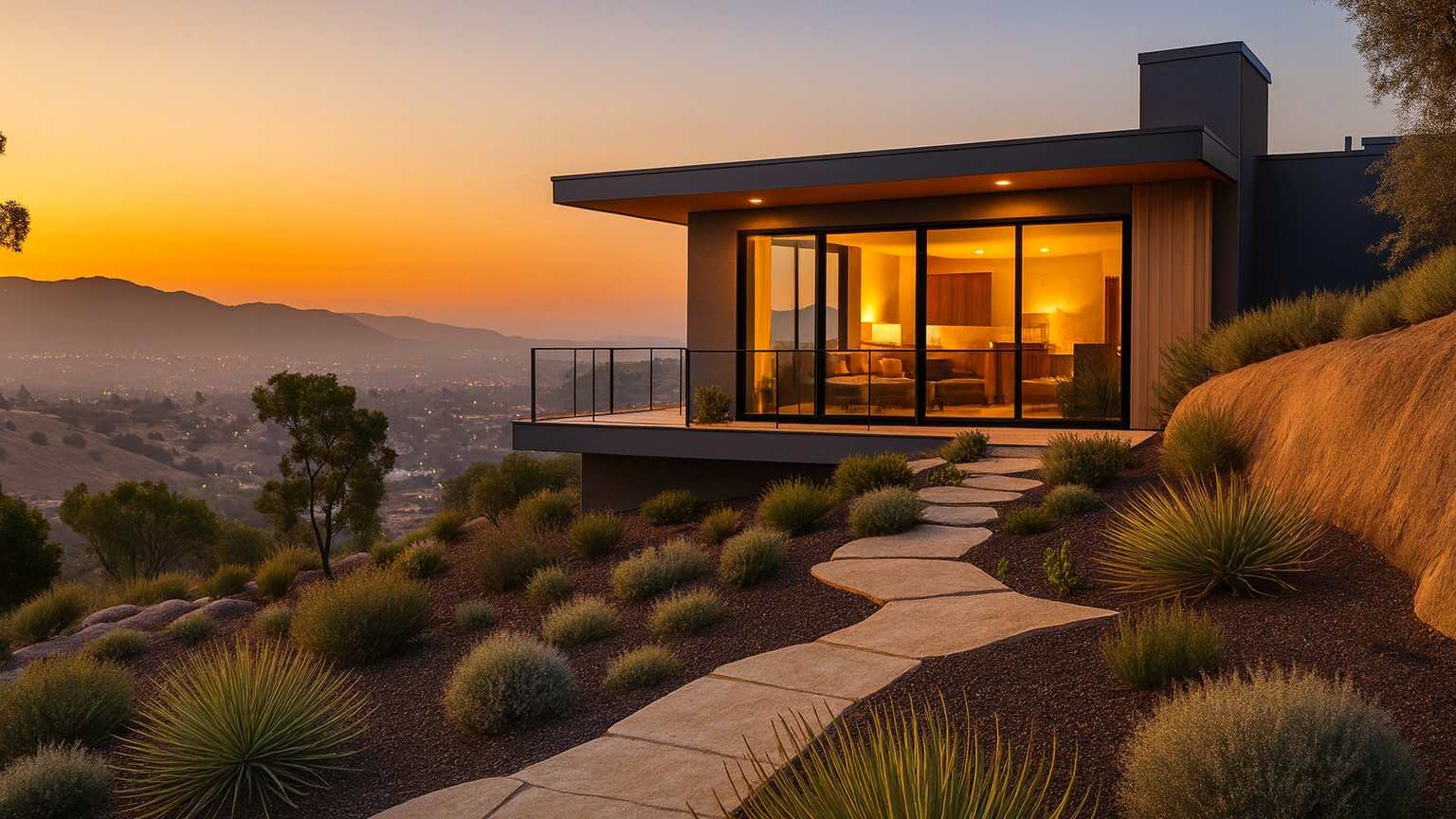
Some homes are custom estates with panoramic vineyard or mountain views. Others are ranch-style homes, equestrian properties, gated estates, newer luxury builds, older homes on acreage, properties with guest houses, or homes with room for future improvements. Some parcels may include planted vines, usable acreage, barns, garages, workshops, or resort-style outdoor spaces.
Because the properties vary so much, buyers should avoid comparing them only by square footage. In Wine Country, value may depend on acreage, views, usability of land, road access, condition, privacy, water source, septic condition, improvements, zoning, nearby commercial activity, and long-term maintenance requirements.
A smaller home with exceptional views, usable land, privacy, and strong infrastructure may be more valuable than a larger home with poor access or significant deferred maintenance.
Buyer takeaway: In Wine Country, the land and setting matter as much as the house.
Understand the Difference Between Views and Usable Land
Many buyers fall in love with views, and understandably so. Vineyard rows, hillsides, sunsets, hot air balloons, and mountain backdrops are part of the emotional appeal of Temecula Wine Country.
However, beautiful views do not always mean the land is fully usable. Some parcels may have slopes, easements, drainage areas, protected areas, access limitations, or topography that makes future improvements more difficult. Other properties may offer flatter, more usable acreage that is better suited for horses, gardens, additional structures, guest parking, or outdoor entertaining.
Before purchasing, buyers should think carefully about how they want to use the land. Do they want animals? A vineyard? A pool? An ADU or guest house? Extra garage space? Event-style entertaining? A garden? RV parking? Each goal may require different property characteristics and approvals.
Buyer takeaway: A view is valuable, but usable land determines how flexible the property may be for your long-term plans.
Road Access and Drive Time Matter
Temecula Wine Country can feel peaceful and private, but buyers should pay close attention to access.
Some properties are close to major roads, wineries, and central Temecula conveniences. Others are farther into the hills or along narrower rural roads. Drive time can vary depending on traffic, events, road conditions, and the exact location of the property.
Buyers should visit the property at different times of day and, when possible, during weekends or popular wine country hours. A road that feels quiet during a weekday showing may feel different during peak visitor times. Similarly, a property that feels private may require more driving for groceries, schools, healthcare, or commuting.
Private roads may also bring maintenance considerations. Buyers should understand whether there are road agreements, shared maintenance responsibilities, gates, easements, or access limitations.
Buyer takeaway: Privacy is valuable, but access affects daily life, maintenance, and future resale.
Wells, Septic Systems, and Utilities Require Careful Review
Many buyers coming from suburban neighborhoods are used to public utilities and standard city services. Some Wine Country properties may be different.
Depending on the property, buyers may need to review wells, septic systems, propane, solar, water storage, irrigation systems, drainage, grading, and utility access. These features are not necessarily problems, but they do require proper inspection and understanding.
A well may need testing for production, water quality, equipment condition, and long-term reliability. A septic system should be inspected to understand its condition, location, capacity, and any limitations. Irrigation systems, especially for acreage or landscaping, should also be reviewed carefully.
Buyers should not assume that a property can support every future plan simply because there is open land. Water availability, septic capacity, zoning, setbacks, grading, and county rules may affect what is possible.
Buyer takeaway: Infrastructure is a major part of value in Wine Country. Inspections should go beyond the house itself.
Insurance and Fire Considerations
Insurance should be evaluated early when buying near Temecula’s vineyards, especially for rural, hillside, or acreage properties.
Some homes may be located in areas where fire risk, defensible space, access, roof type, brush clearance, and distance from fire services can affect insurance availability and cost. Buyers should request insurance quotes early in the escrow process and avoid assuming coverage will be similar to a suburban home.
Defensible space and property maintenance are also important. Larger parcels may require brush clearance, tree trimming, weed abatement, slope maintenance, and ongoing land management. These responsibilities should be factored into the annual cost of ownership.
Insurance conditions can change, so buyers should confirm current options with qualified insurance professionals before removing contingencies.
Buyer takeaway: Insurance is not an afterthought. It should be part of the property evaluation from the beginning.
Zoning, Land Use, and Future Plans
Wine Country buyers often have ideas for how they want to use a property. They may imagine adding a guest house, planting vines, keeping horses, building a workshop, hosting gatherings, creating a private retreat, or developing a small hobby vineyard.
Before assuming those plans are possible, buyers should review zoning, land use rules, county requirements, HOA restrictions if applicable, easements, setbacks, environmental limitations, and permitting requirements. Some properties may be better suited for residential privacy, while others may offer more flexibility.
This is especially important for buyers who are considering income-producing uses, events, vacation rentals, agriculture, or major improvements. Rules can vary, and local review is essential.
Buyer takeaway: Buy the property based on what is allowed, not just what appears possible.
Living Near Wineries and Tourism
Living near Temecula’s vineyards can feel peaceful, scenic, and special. It can also come with activity that buyers should understand.
Wine Country is a visitor destination. Depending on location, buyers may experience weekend traffic, event noise, wedding activity, tasting room traffic, tour buses, limousines, seasonal events, or increased activity during peak tourism periods. For some homeowners, that energy is part of the charm. For others, privacy and quiet are the priority.
Buyers should study the surrounding area carefully. What is nearby today? Are there wineries, event venues, vacant parcels, commercial uses, or planned improvements? How does the area feel on weekends compared to weekdays?
Buyer takeaway: Wine Country lifestyle includes both beauty and activity. The right location depends on your tolerance for visitor traffic and event energy.
Equestrian and Acreage Property Considerations
Temecula Wine Country can be appealing for buyers who want horses, animals, or more land. However, not every acreage property is suitable for equestrian use.
Buyers should evaluate fencing, access, usable flat space, barns, shelters, arenas, trails, water availability, manure management, feed storage, drainage, trailer access, and local rules. Existing horse improvements should be inspected for safety and condition.
If the property does not already have equestrian improvements, buyers should verify whether they can be added. Slope, setbacks, zoning, water, grading, and permitting may affect what is realistic.
Buyer takeaway: Horse property requires more than acreage. Usability, water, access, and infrastructure matter.
Luxury, Privacy, and Custom Home Features
Many Temecula Wine Country homes are custom or semi-custom, which means buyers should evaluate them differently than tract homes.
Custom homes may offer distinctive architecture, unique floor plans, extensive outdoor living, guest quarters, wine rooms, detached garages, workshops, pools, outdoor kitchens, gates, long driveways, and panoramic views. These features can create strong emotional appeal and long-term enjoyment.
At the same time, custom properties may require specialized inspections. Buyers should evaluate construction quality, additions, permits, drainage, roofing, retaining walls, pools, hardscape, septic, wells, and any outbuildings.
Because custom homes are harder to compare directly, pricing should be reviewed with care. Comparable sales may be limited, and small differences in view, land usability, and infrastructure can significantly affect value.
Buyer takeaway: Custom Wine Country homes require a more detailed valuation and inspection strategy than standard neighborhood homes.
Short-Term Rentals and Second Homes
Some buyers are interested in Temecula Wine Country as a second home or potential short-term rental. This requires careful due diligence.
Rules for short-term rentals can vary by jurisdiction, zoning, HOA, county regulations, and future policy changes. Buyers should not assume that a property can be rented short term simply because it is located near wineries or tourism activity.
In addition to legal requirements, buyers should consider management, cleaning, guest access, parking, noise, neighbors, insurance, taxes, wear and tear, and market demand. A property that makes a wonderful private residence may not automatically function well as a rental.
Buyer takeaway: Verify short-term rental rules before purchasing. Do not rely on assumptions or past use alone.
Maintenance Costs Can Be Higher Than Expected
Wine Country properties often come with more responsibility than traditional suburban homes.
Larger parcels may require landscaping, irrigation, weed abatement, fencing, gate maintenance, road upkeep, pool service, tree care, pest control, septic service, well maintenance, security systems, and exterior repairs. If the property includes vines, orchards, equestrian facilities, or extensive hardscape, the maintenance picture becomes even more detailed.
Buyers should ask for maintenance records, utility history, service provider information, and estimates for ongoing care. It is also helpful to understand which tasks the current owner handles personally and which require professional vendors.
Buyer takeaway: The beauty of acreage comes with responsibility. Budget for both the home and the land.
Resale Value and Long-Term Appeal
Temecula Wine Country properties can have strong long-term appeal because they offer lifestyle, views, privacy, and land in a region that is highly recognizable. However, resale value depends heavily on property-specific factors.
Homes with strong access, usable land, quality construction, well-maintained systems, desirable views, functional floor plans, and clear lifestyle appeal may attract strong buyer interest. Properties with difficult access, deferred maintenance, limited usable land, unclear improvements, or high ownership costs may require a more selective buyer pool.
Future resale should be part of the purchase decision. Even if a property feels perfect emotionally, buyers should consider how easy it would be to explain, market, and sell later.
Buyer takeaway: The best Wine Country purchases combine emotional appeal with practical fundamentals.
Questions to Ask Before Buying a Temecula Wine Country Home
Before writing an offer, buyers should ask:
- Is the land usable for my long-term plans?
- What are the water source, septic system, and utility details?
- Can I obtain insurance at a cost that fits my budget?
- Are there road maintenance agreements or easements?
- Is the property affected by nearby wineries, venues, or visitor traffic?
- Are there zoning or land use restrictions that affect future improvements?
- Have all additions, structures, and major improvements been permitted?
- What are the annual maintenance responsibilities?
- Does the property support horses, vines, gardens, or guest space if those are priorities?
- How strong is the resale story for this specific property?
These questions help buyers move beyond the view and understand the full ownership experience.
How a Local Realtor Helps in Wine Country
Buying in Temecula Wine Country requires local knowledge and a more detailed evaluation process.
A local real estate advisor can help buyers compare properties beyond the basics, including land usability, location, access, valuation, inspections, insurance considerations, neighborhood context, resale potential, and lifestyle fit. This is especially important when comparing custom homes, acreage, equestrian properties, or homes with wells and septic systems.
The right advisor can also help buyers understand which features are common, which are valuable, and which may create future limitations. In Wine Country, the details matter.
Buyer takeaway: A strong local strategy helps buyers protect both the dream and the investment.
Final Thoughts on Buying Near Temecula’s Vineyards
Buying a home near Temecula’s vineyards can be a beautiful and rewarding decision. The region offers a rare mix of Southern California accessibility, vineyard scenery, acreage, custom homes, outdoor living, and a lifestyle that feels like a retreat.
But Wine Country buying requires careful due diligence. Buyers should evaluate the land, utilities, insurance, access, zoning, maintenance, surrounding uses, and long-term resale potential before making a commitment.
At Landry & Powers, we help buyers look beyond the listing photos and understand the full picture. Whether you are searching for a vineyard-view estate, an equestrian property, a private retreat, or a home close to the heart of Temecula Wine Country, our goal is to help you move forward with clarity and confidence.
Ready to Explore Temecula Wine Country Homes?
If you are searching for Temecula wine country homes for sale, contact Landry & Powers for a local buyer strategy session before you begin touring properties.
Frequently Asked Questions
Is Temecula Wine Country a good place to buy a home?
Temecula Wine Country can be a strong fit for buyers who want vineyard views, acreage, privacy, custom homes, equestrian possibilities, and a relaxed Southern California lifestyle. The right property depends on access, land usability, utilities, insurance, zoning, maintenance, and long-term resale potential.
Are homes near Temecula wineries more expensive?
Homes near Temecula’s vineyards can vary widely in price depending on acreage, views, condition, custom features, location, road access, and property improvements. Some properties command a premium because of privacy, land, views, or proximity to Wine Country amenities.
Do Temecula Wine Country homes have wells or septic systems?
Some Wine Country properties may have wells, septic systems, propane, irrigation systems, or other rural infrastructure. Buyers should complete property-specific inspections and review water, septic, utility, and maintenance details before removing contingencies.
Can I have horses on a Temecula Wine Country property?
Some Temecula Wine Country properties may be suitable for horses, but not every acreage parcel supports equestrian use. Buyers should review zoning, land usability, fencing, water, drainage, trailer access, existing improvements, and local rules before purchasing.
Can I use a Temecula Wine Country home as a short-term rental?
Short-term rental rules depend on jurisdiction, zoning, HOA restrictions, county regulations, and policy changes. Buyers should verify current rules before purchasing and should not assume that tourism proximity automatically allows short-term rental use.
What should I inspect before buying a Wine Country home?
Buyers should inspect the home, roof, HVAC, plumbing, electrical systems, pool, septic system, well, irrigation, drainage, grading, retaining walls, outbuildings, fencing, gates, roads, and any equestrian or vineyard improvements. Insurance and zoning should also be reviewed early.