In North County San Diego, “coastal vs. inland” isn’t just a preference — it’s a cost structure. Two homes can have similar purchase prices, but the monthly ownership experience may look very different once you factor in insurance, utilities, HOA dues, commuting, and even climate.
If you’re deciding between coastal communities like Carlsbad and Encinitas versus inland options like San Marcos and Vista, here’s a practical way to compare the lifestyle tradeoffs — and how those differences can affect resale value.
Commute & Convenience: Time Is a Budget Line
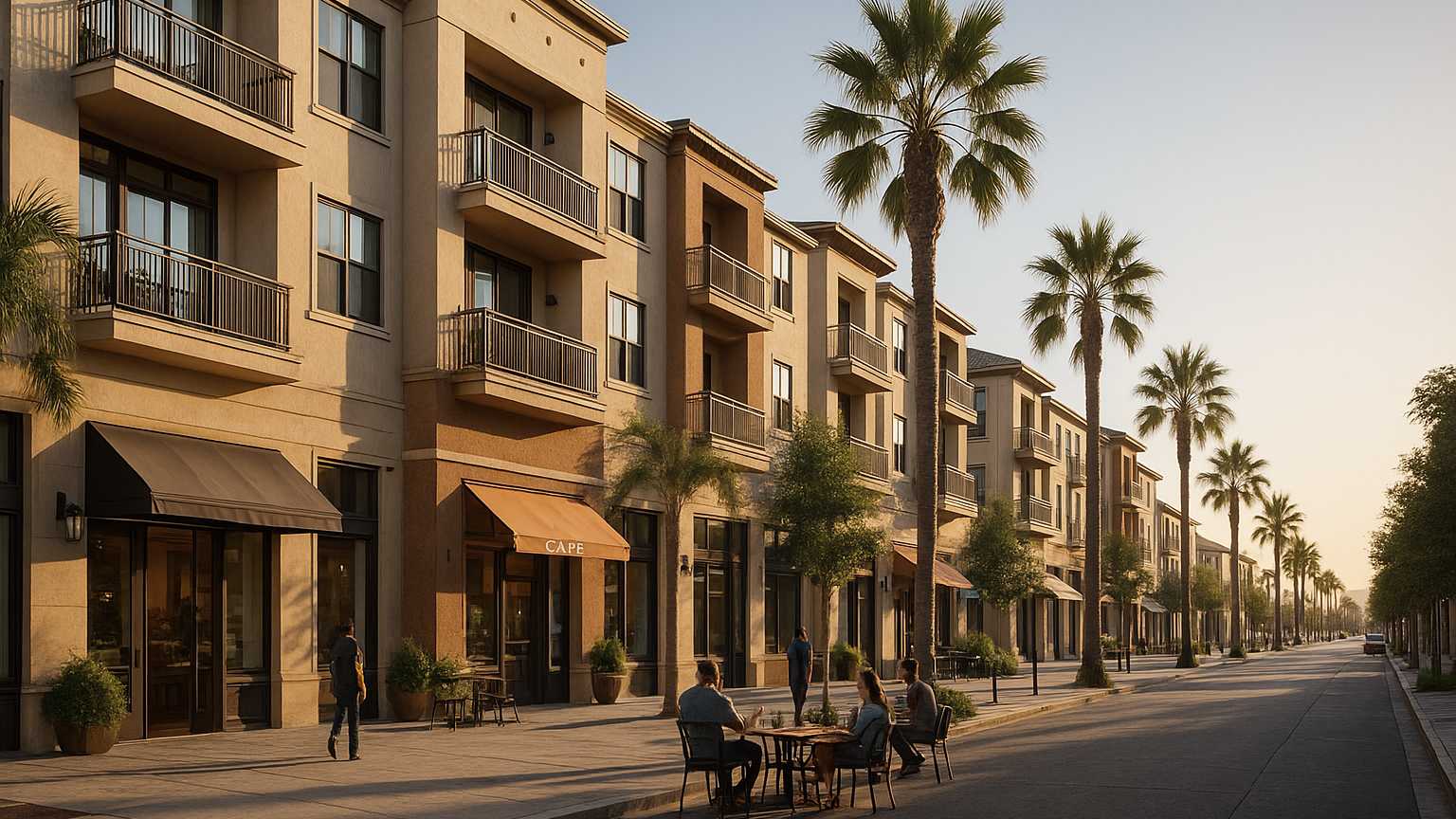
Coastal buyers often pay for proximity — to the beach, walkable hubs, and major employment corridors along the I-5. Inland neighborhoods may offer more space or newer homes at a lower price-per-square-foot, but commute time can rise depending on your daily routine.
When comparing areas, try pricing out your “time cost” realistically: extra miles, parking, tolls (if applicable), and the hours you’ll spend in traffic over a year. For many buyers, time savings becomes a major quality-of-life factor — and that demand tends to support coastal resale strength.
Insurance: Don’t Assume It’s the Same Everywhere
Insurance is increasingly location-sensitive. Coastal homes may have unique considerations (salt-air wear, coastal weather exposure), while inland areas can face different underwriting factors. On top of that, property features like roof age, electrical updates, and proximity to certain risk zones can influence premiums.
Bottom line: before you fall in love with a home, ask for insurance quotes early. It’s one of the easiest ways to avoid surprises — and it can meaningfully affect monthly affordability and resale buyer confidence later.
HOAs & Community Fees: Amenities vs. Flexibility
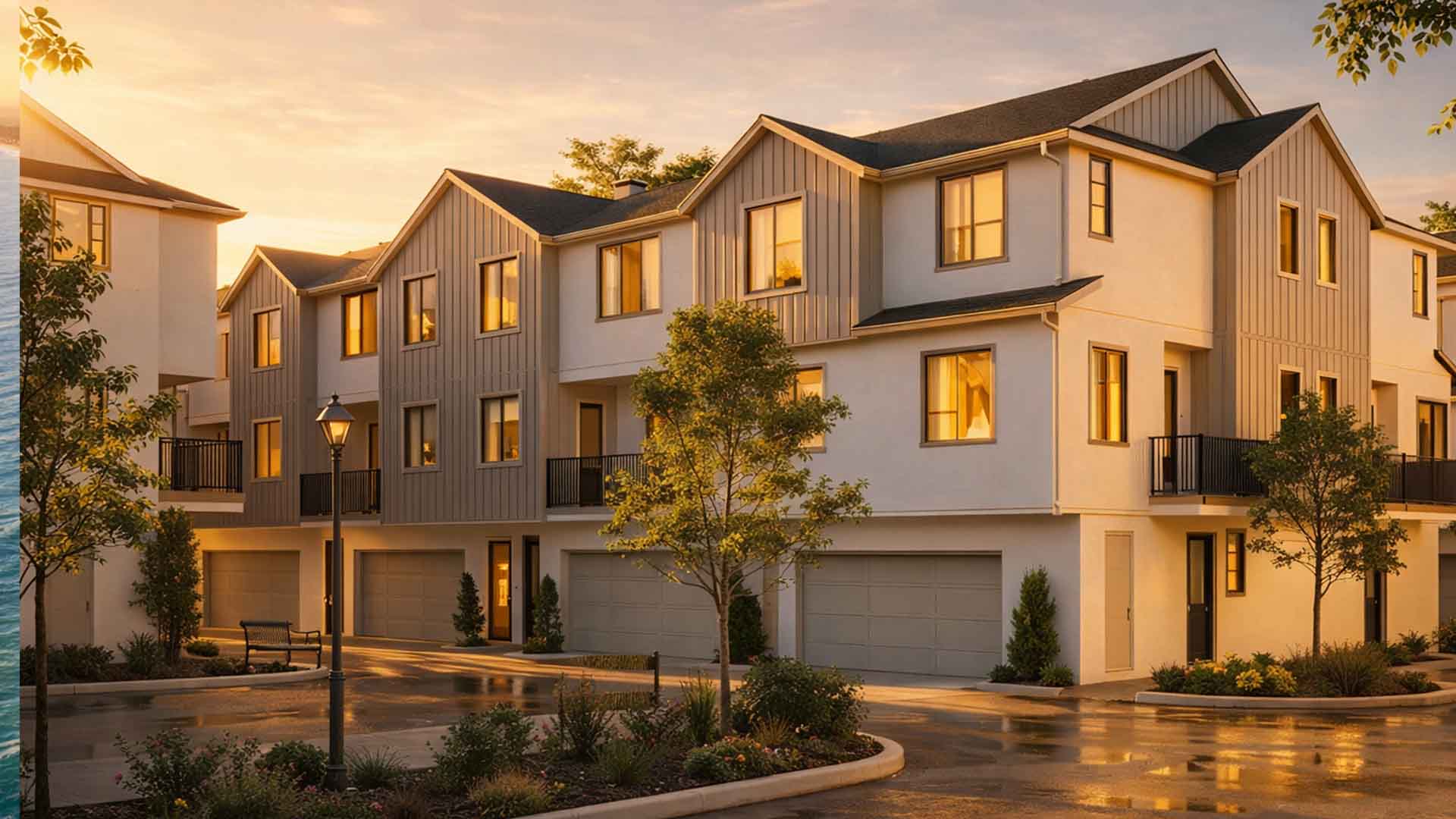
In North County, many inland communities and newer neighborhoods include HOAs — sometimes with amenities like pools, parks, and maintained landscaping. Coastal pockets also have HOAs, especially in condos and townhomes, but the structure can vary widely depending on the property type.
HOAs aren’t “good” or “bad” — they’re a tradeoff. Buyers should weigh:
- Monthly dues and what they actually cover
- Reserve health (for condos/townhomes especially)
- Rules that impact lifestyle (pets, parking, rentals, exterior changes)
From a resale perspective, well-run HOAs can boost buyer confidence. Poorly managed associations can slow sales, increase scrutiny, and limit the buyer pool.
Utilities & Heat: Climate Impacts Monthly Costs
North County’s microclimates are real. Coastal areas tend to stay cooler and may rely less on air conditioning. Inland neighborhoods can experience significantly warmer summer temperatures, which can increase energy use and influence comfort.
This is where practical ownership planning matters: insulation quality, window upgrades, HVAC efficiency, and shade structures can change your long-term operating costs. Buyers comparing coastal vs. inland should treat climate as part of the monthly budget — not an afterthought.
Home Maintenance: Salt Air vs. Sun Exposure
Coastal homes often face more accelerated exterior wear from salt air: metal fixtures, paint, windows, and outdoor finishes may need earlier maintenance. Inland homes may see different stress factors like heat exposure, sun wear, and landscaping upkeep.
Neither is a dealbreaker — but it’s smart to plan for the maintenance profile of your location so your “ownership cost” stays predictable.
Resale Impact: Why Coastal Often Holds a Premium
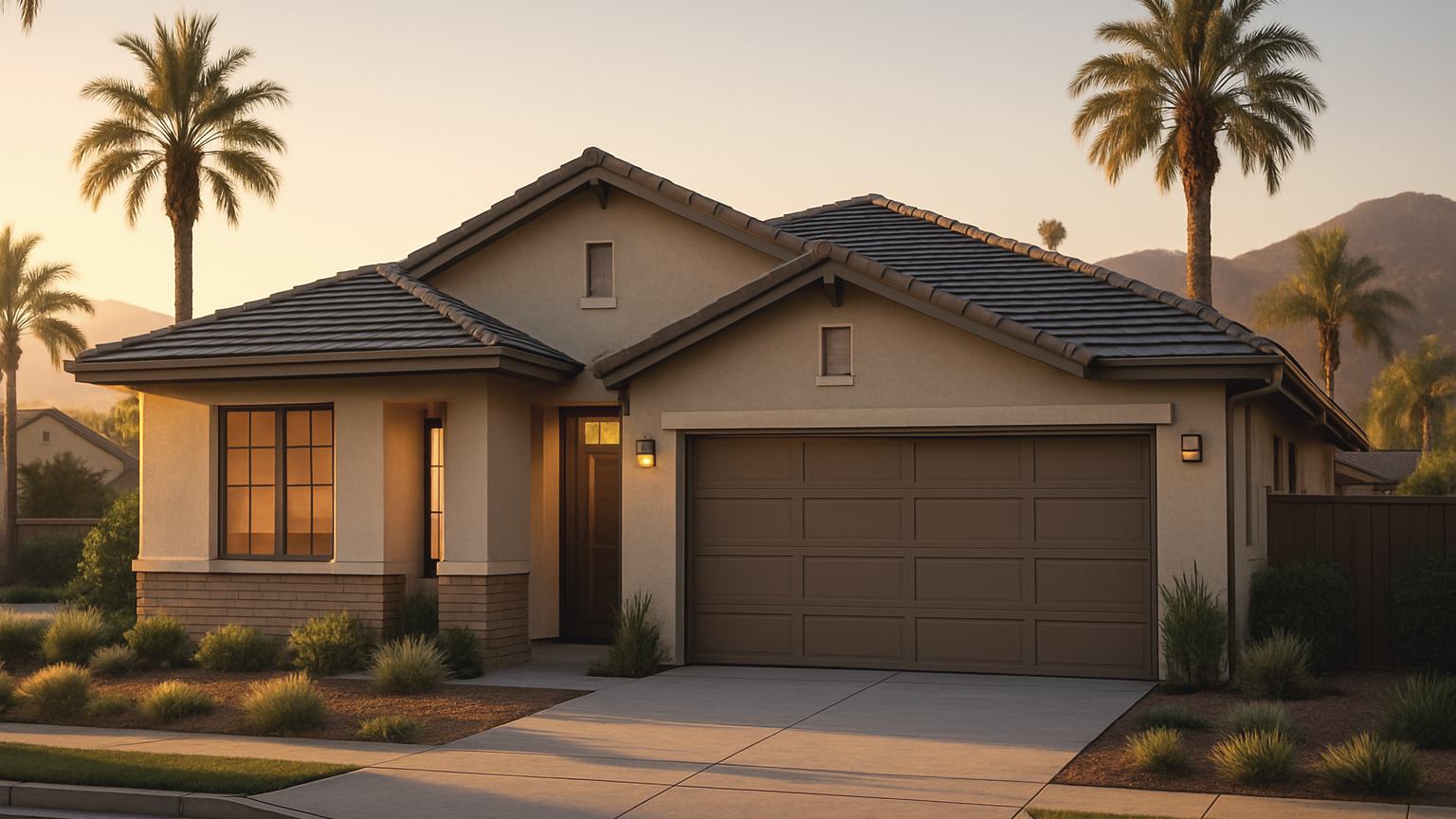
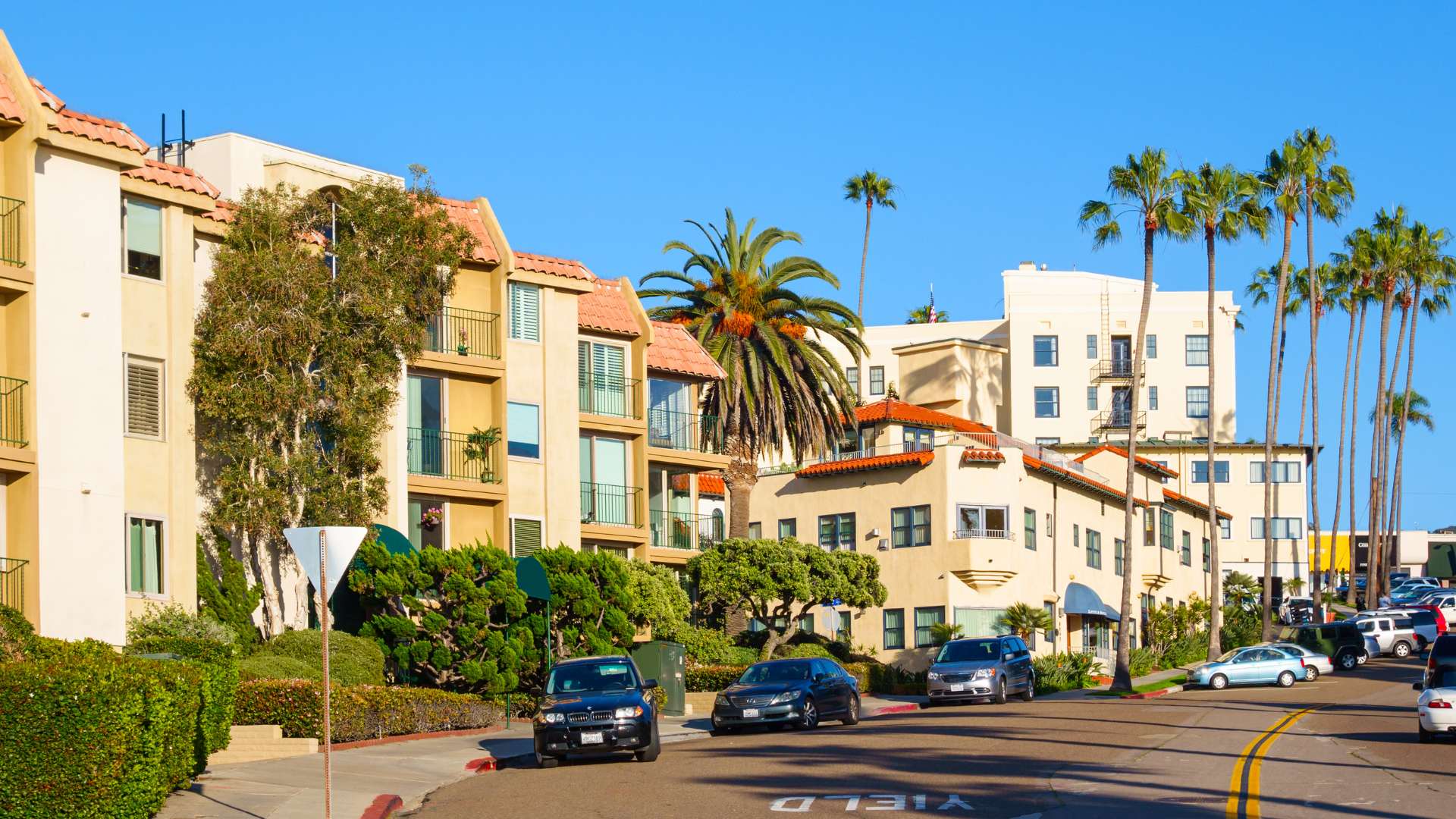
Coastal North County typically maintains a lifestyle-driven premium because inventory is limited and demand stays consistent for walkability, ocean proximity, and established neighborhoods. Inland North County can offer stronger “space value” — larger homes, newer builds, and communities designed around modern living — which can be very attractive to families and buyers prioritizing square footage and schools.
In 2026, buyers are more payment-conscious, so inland value can shine — especially when coastal pricing stretches affordability. The most resilient resale performers in both coastal and inland areas tend to share the same fundamentals: strong presentation, functional floorplans, good condition, and realistic pricing.
How to Decide: A Simple Comparison Checklist
If you’re choosing between coastal and inland, compare each home using a consistent framework:
- Monthly payment + property taxes
- Insurance quote (get it early)
- HOA + special assessments (if applicable)
- Average monthly utilities (seasonal estimate)
- Commute time and convenience (your real lifestyle)
- Resale drivers: location, condition, layout, and buyer demand
The Bottom Line
Coastal vs. inland in North County isn’t just a map decision — it’s a lifestyle math problem. When you account for commute, insurance, HOA structure, climate, and maintenance, you’ll often see why certain areas carry premiums — and where inland communities can deliver serious long-term value.
If you’d like, we can run a side-by-side comparison for two neighborhoods you’re considering and help you evaluate both the monthly ownership cost and resale outlook.