
Millennials and Gen Z now make up the largest share of renters and an increasingly influential segment of homebuyers across Southern California. Their preferences—shaped by technology, remote work, affordability challenges, and a lifestyle-first mindset—are transforming where and how new communities are being built. From walkable mixed-use centers to compact apartments with shared amenities, these generations are reshaping the housing landscape in both coastal and inland markets.
For real estate professionals, understanding the values and priorities of younger buyers and renters is no longer optional—it’s essential. Here’s a closer look at how Millennials and Gen Z are redefining Southern California living and what this means for the future of real estate in San Diego, Riverside, and beyond.
A Shift Toward Walkable, Lifestyle-Rich Neighborhoods
Unlike previous generations that gravitated toward suburban sprawl, today’s younger adults place a high value on “walkability.” They want to live near coffee shops, fitness studios, co-working spaces, and restaurants. Communities such as North Park, Mission Valley, Temecula’s town center areas, and parts of Murrieta and Riverside are experiencing renewed interest because they offer these lifestyle conveniences in a compact footprint.
For many Millennials and Gen Z buyers, time has become a currency. Long commutes lose appeal, while a neighborhood that supports social connection and daily convenience is a top priority.
Smaller Footprints, Smarter Spaces
Affordability remains the single biggest housing barrier for Millennials and Gen Z, particularly in Southern California’s coastal counties. In response, they’re adopting a new mindset: they don’t expect large square footage to define quality of life. Instead, they seek:
- Efficient layouts that eliminate wasted space
- Open plans with flexible work-from-home zones
- Energy-efficient appliances and sustainable materials
- Outdoor communal areas like courtyards, rooftops, or shared decks
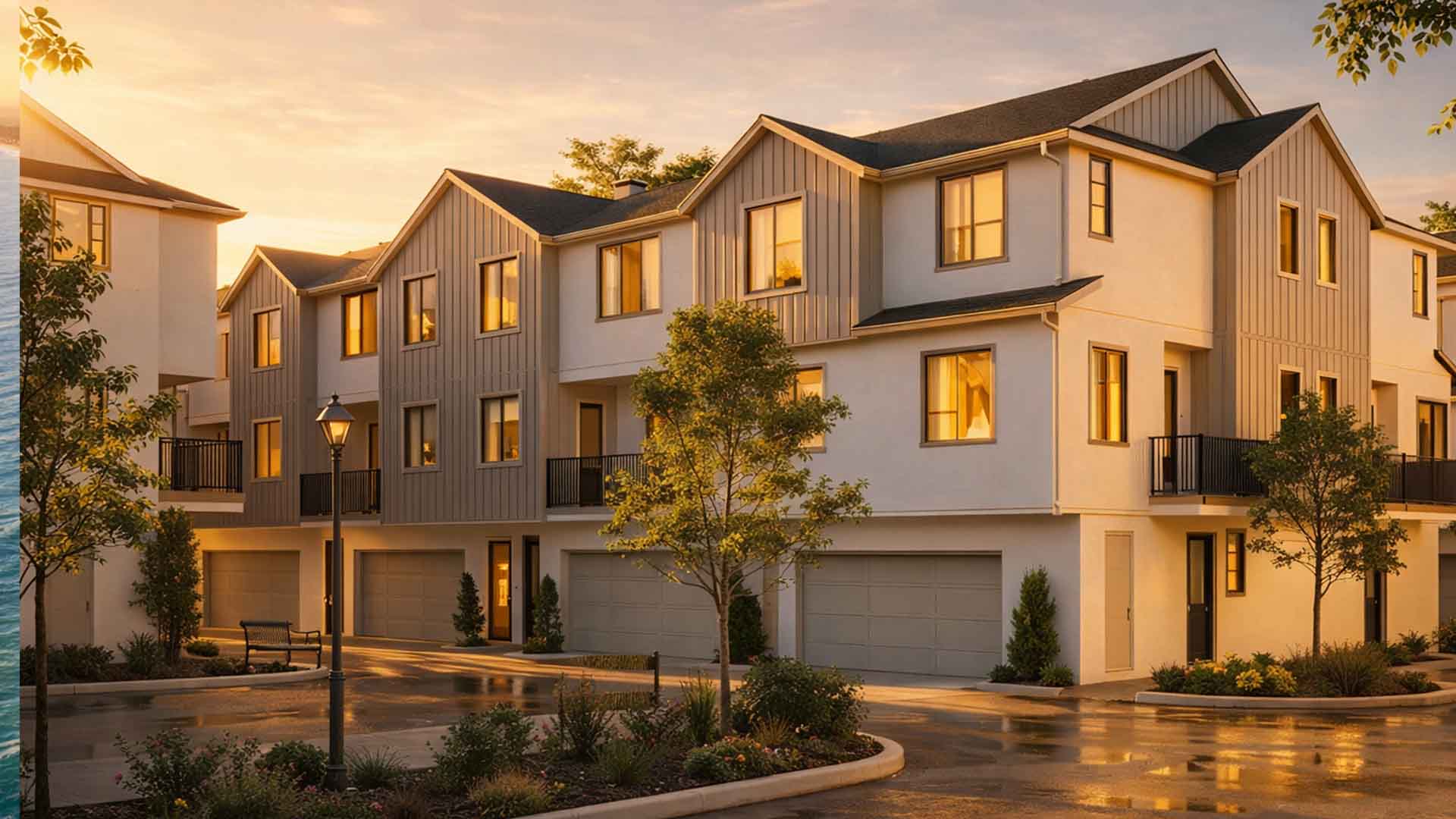
This shift is driving demand for modern apartments, compact urban homes, and new-build townhome communities that prioritize design over size.
Remote Work Is Redefining What “Location” Means
Remote and hybrid work have fundamentally changed how younger adults evaluate housing opportunities. Instead of choosing homes strictly based on office proximity, they focus on broadband reliability, noise control, access to co-working spaces, and community areas where they can work comfortably outside the home.
This has expanded interest in inland communities like Murrieta, Temecula, Lake Elsinore, and parts of Riverside County, where modern homes offer more affordability without compromising lifestyle.
Co-Living and Shared Amenities Are Becoming Mainstream
Millennials and Gen Z popularized co-living—shared housing environments where residents have private bedrooms but share kitchens, living spaces, and amenities. While not for everyone, these communities offer affordability and built-in community for young professionals, creatives, and remote workers.
Developers across Southern California are responding with buildings that include:
- Shared work lounges
- Fitness centers and yoga rooms
- Pet-friendly amenities
- Community events and networking spaces
These features reflect a generational emphasis on connection, convenience, and flexible living.
Eco-Friendly Living Is No Longer Optional
Both Millennials and Gen Z show strong environmental awareness, often preferring homes with sustainable features such as solar panels, EV chargers, smart thermostats, and energy-efficient construction. This shift is accelerating green building efforts across SoCal, especially in new townhome developments and upgraded multifamily buildings.
For younger buyers, eco-friendly homes aren’t just a preference—they’re often a deciding factor.
Tech-Integrated Living Is the New Standard
Smart home integration is no longer a luxury. Younger generations expect seamless technology in their living environments, including:
- Keyless entry
- Smart lighting and thermostats
- App-controlled building access
- Package lockers for online delivery
- High-speed, building-wide Wi-Fi
For developers and sellers, modern tech is no longer a bonus—it’s a baseline expectation.
How These Trends Are Reshaping Southern California Communities
The cumulative effect of these generational preferences is reshaping both coastal and inland markets. New developments are increasingly built around mixed-use designs, lifestyle amenities, and connectivity. Older neighborhoods are being revitalized through pedestrian-friendly upgrades, restaurant districts, and multi-use zoning changes.
Areas previously overlooked—such as parts of Riverside, El Cajon, Escondido, and Vista—are attracting younger residents due to affordability paired with revitalized community centers.
What Real Estate Agents Need to Know
Agents serving San Diego, Riverside, and surrounding markets will need to adapt to meet the values and expectations of younger buyers and renters. Practical strategies include:
- Highlighting lifestyle features rather than just property specs
- Promoting walkability scores and nearby amenities
- Educating buyers on flexible loan options for smaller properties
- Showcasing remote-work features like dedicated office spaces
- Understanding sustainable building certifications and energy savings
Agents who help younger clients navigate affordability challenges and lifestyle priorities will build stronger long-term relationships.
The Future of SoCal Housing Is Already Taking Shape
Millennials and Gen Z are not just influencing trends—they’re reshaping the fundamental definition of “home” in Southern California. Their emphasis on flexibility, convenience, affordability, and sustainability is driving a new wave of housing development that blends modern living with community-centered design.
As these generations continue to dominate the housing market, the future of real estate in Southern California will reflect the values they’re championing: smarter spaces, connected neighborhoods, and lifestyle-first living.