In Southern California, the classic picture of home has long been a single-family house, a driveway, and a commute. But over the past several years, a different kind of neighborhood has been quietly taking center stage: mixed-use communities. These are the walkable, live-work-play environments where condos or townhomes sit above shops, restaurants, and offices, and daily life happens within a few blocks of your front door.
From coastal corridors to inland hubs, mixed-use projects are reshaping how people live, commute, and connect. If you are considering a move in the coming years, especially in Southern California’s inland and coastal markets, understanding this trend can help you make a smarter purchase.
What Is Mixed-Use Living, Exactly?
At its core, a mixed-use community blends different types of spaces into one coordinated neighborhood. Instead of separating residential, retail, and office areas into different parts of town, mixed-use developments combine them:
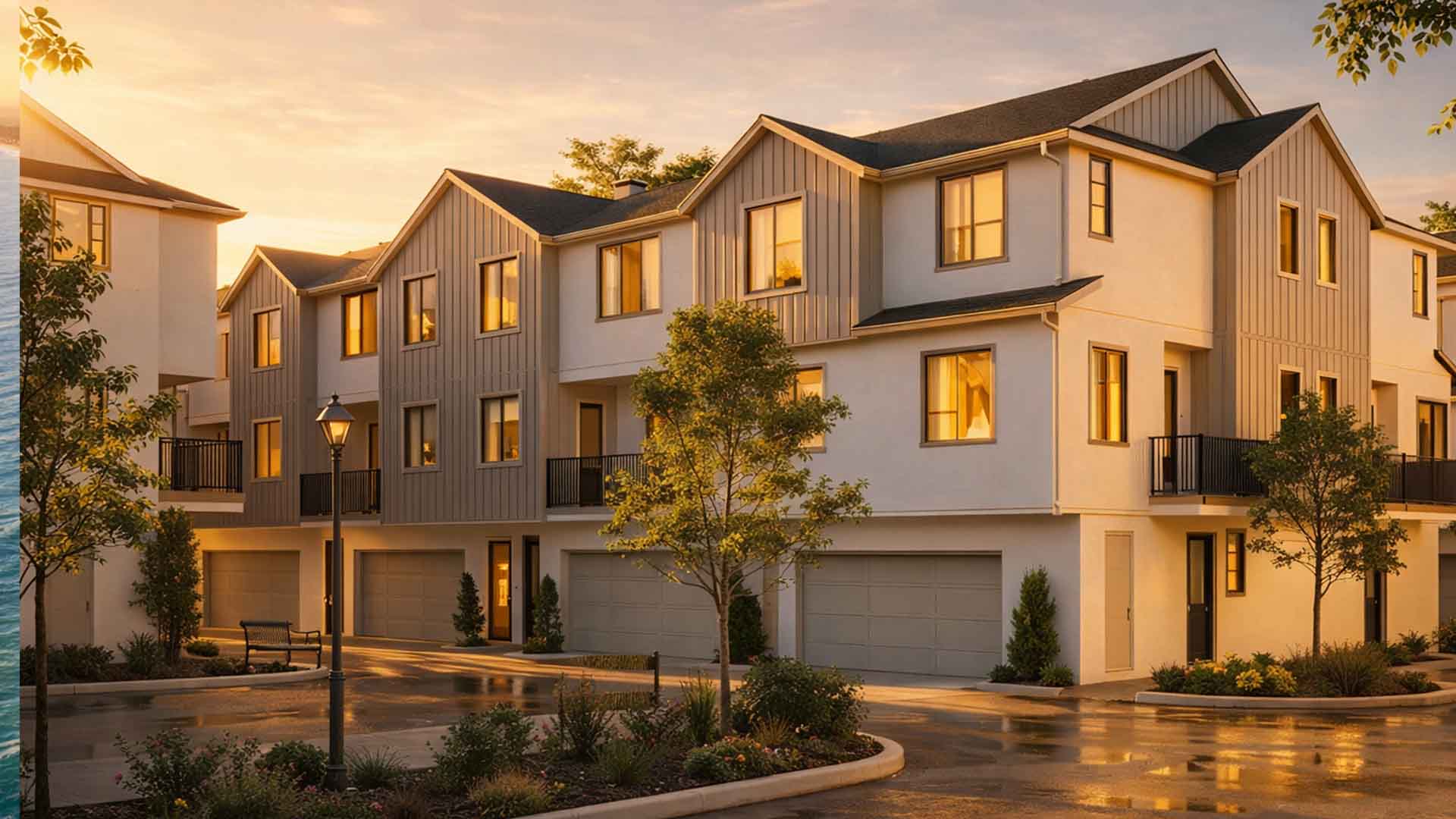
- Residential: Condos, townhomes, or apartments.
- Retail: Cafes, restaurants, boutiques, grocery, and service businesses.
- Workspaces: Offices, co-working spaces, or professional services.
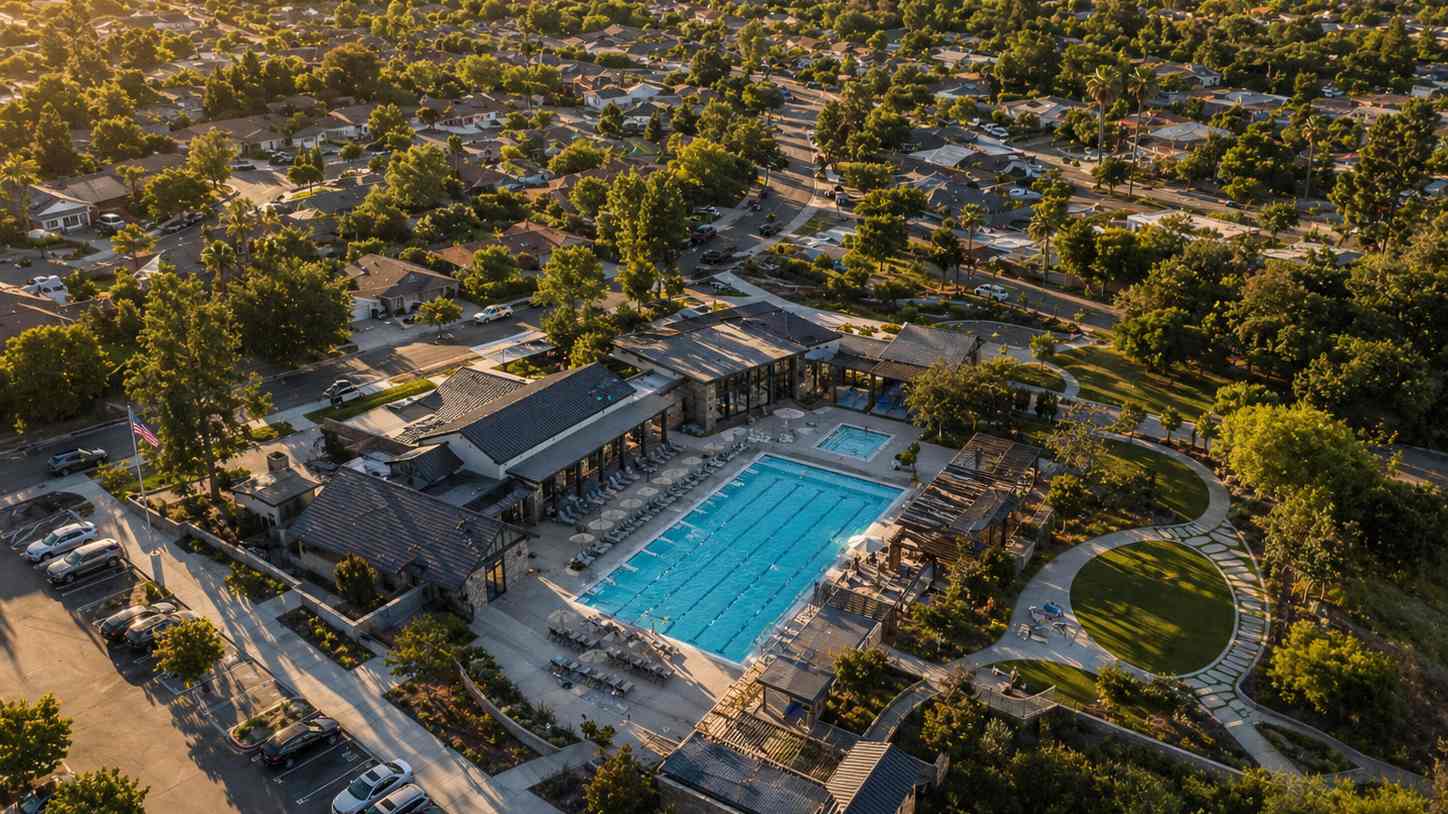
- Amenities: Plazas, parks, fitness centers, rooftop lounges, and community gathering spots.
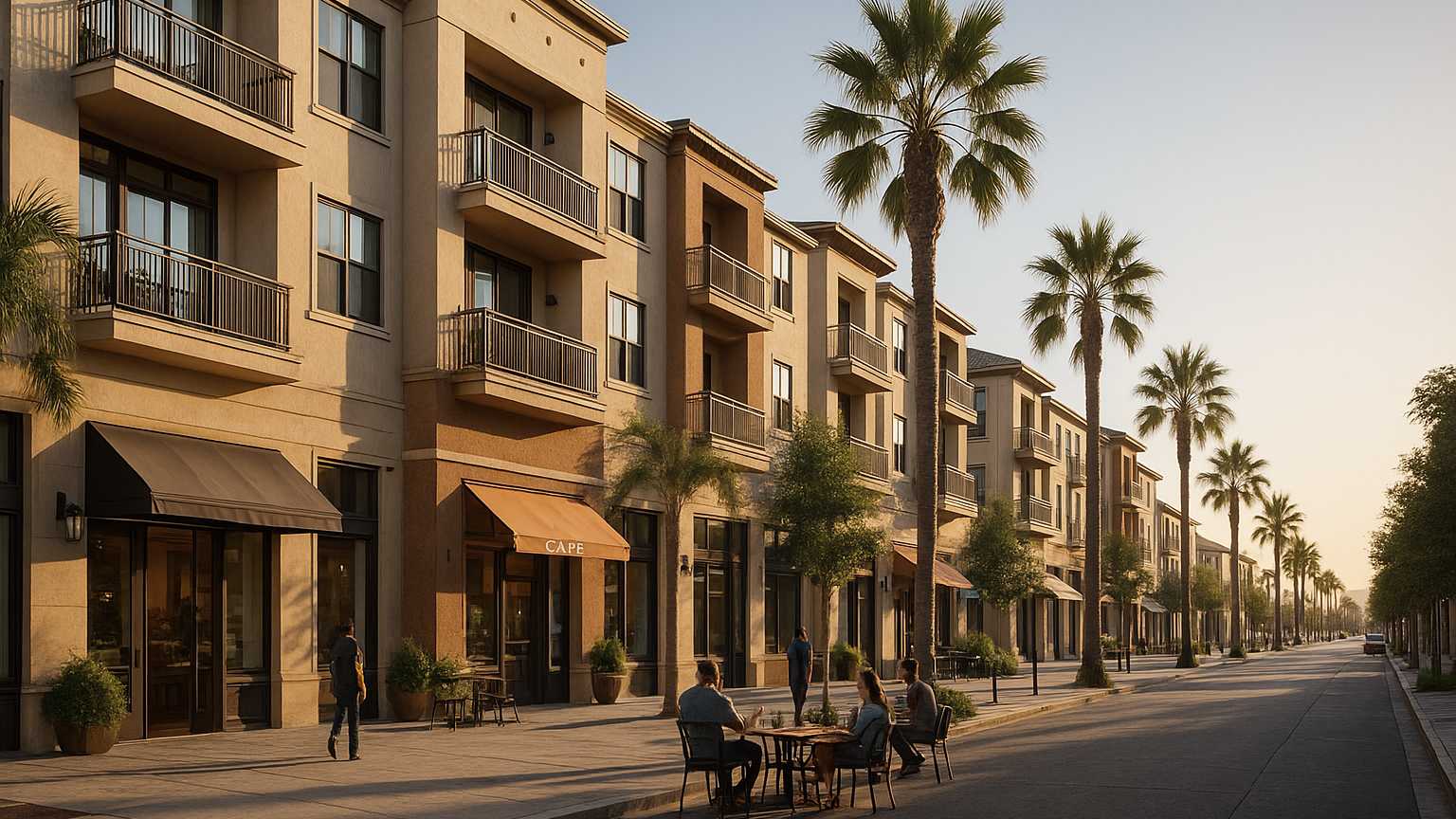
For homeowners, this often looks like living in a building where you can walk downstairs for coffee, cross the street for a workout, and meet friends for dinner without ever getting on the freeway.
Why Mixed-Use Is Growing in Southern California
Southern California is a natural fit for mixed-use living. Several forces are driving the rise of these communities in both inland and coastal areas:
- Long commutes and traffic: Many buyers are tired of spending hours on the road each week and want daily life closer to home.
- Walkable lifestyle: Younger buyers and downsizing homeowners alike are placing a premium on being able to walk to services, dining, and recreation.
- Limited land near job centers: In both coastal and growing inland cities, building “up” and combining uses is often more efficient than building out.
- Revitalized downtowns and town centers: Cities and developers are investing in modern town centers that attract residents, visitors, and businesses.
Coastal corridors often see mixed-use projects as a way to maximize scarce land near transit and employment, while inland markets leverage them to create vibrant hubs that anchor growing communities.
Key Benefits of Mixed-Use Living for Homebuyers
Mixed-use living isn’t just a design trend; it can come with very real lifestyle and financial benefits for homeowners.
Walkability and Everyday Convenience
Imagine being able to grab your morning coffee, drop off dry cleaning, and pick up dinner all within a few blocks. In a well-designed mixed-use area, many of your daily errands become short walks instead of long drives. That can translate into less stress, less time in the car, and a stronger sense of connection to your neighborhood.
Community and Social Connection
Because mixed-use neighborhoods concentrate people, shops, and amenities, they naturally encourage more casual interaction. It is easier to get to know the barista, the neighbor walking their dog, or other families at the plaza. For many buyers, that sense of community is just as valuable as square footage.
Potential for Long-Term Value
Walkable, amenity-rich communities can hold strong appeal over time, especially as more buyers prioritize lifestyle, convenience, and access. While no one can guarantee appreciation, mixed-use properties in well-planned locations often remain attractive in different market cycles because they offer more than just a bedroom count—they offer a way of life.
Potential Tradeoffs and Risks to Consider
Mixed-use living isn’t perfect for everyone, and it is important to understand the tradeoffs before you buy.
- Noise and activity: Being close to restaurants, shops, and nightlife can mean more evening and weekend activity, including delivery trucks and foot traffic.
- Privacy: Higher density often means more neighbors, more windows, and shared spaces.
- Parking: Depending on the design, parking may be structured or shared, and guest parking can be more limited than in a traditional subdivision.
- Association rules and fees: Many mixed-use communities are part of HOAs or master associations with specific rules and monthly dues that support amenities and shared infrastructure.
None of these are automatic deal-breakers, but they are factors to weigh carefully against the benefits of walkability and convenience.
Inland vs Coastal: How Mixed-Use Differs by Location
Mixed-use communities in inland areas and along the coast share a lot in common, but there are some practical differences for buyers to keep in mind.
Inland Mixed-Use Communities
In inland cities and suburbs, mixed-use projects often serve as “town centers” or anchors for surrounding neighborhoods. For buyers, that can mean:
- More space for the price: Homes may offer slightly larger floor plans or more generous balconies at a lower price point than similar coastal options.
- Family-friendly amenities: Parks, playgrounds, and community events often play a big role in building a sense of place.
- Growing employment hubs: As more employers move inland or support hybrid work, living near a vibrant center can make daily life easier.
Coastal Mixed-Use Communities
Along coastal corridors, mixed-use projects are often in higher-demand areas close to transit, beaches, or major employment centers. Buyers can expect:
- Premium pricing: The combination of coastal proximity, walkability, and limited inventory can push prices higher.
- Transit and commuting benefits: Many coastal mixed-use areas are designed around transit lines or major corridors, which can shorten commutes.
- Strong lifestyle appeal: Dining, entertainment, and recreation options are often just steps away, appealing to both primary residents and investors.
Choosing between inland and coastal mixed-use often comes down to your budget, your commute, and how you prioritize space versus location.
How to Evaluate a Mixed-Use Property Before You Buy
If a mixed-use community has caught your eye, it helps to look a little deeper than the brochure. Here are some questions to ask as you evaluate your options:
- What is the tenant mix? Are the retail spaces filled with businesses that support everyday life—like coffee, groceries, fitness, and services—or are there many vacancies?
- How is parking handled? Review the number of assigned spaces, guest parking policies, and how easy it will be for visitors to find you.
- What is the long-term plan? Ask about future phases of development, planned amenities, and any upcoming changes to traffic patterns or zoning.
- How healthy is the HOA? Examine HOA documents, budgets, reserve studies, and rules so you understand both the financial picture and lifestyle expectations.
- What does it feel like at different times of day? Visit in the morning, afternoon, and evening to get a sense of noise, traffic, and activity.
A local real estate team familiar with both inland and coastal markets can help you interpret this information and compare options side by side.
Is Mixed-Use Living Right for You?
Mixed-use living can be an excellent fit if you value convenience, connection, and a more walkable lifestyle. It may be especially appealing if you:
- Are tired of long commutes and want more of your life within a short radius of home.
- Enjoy being around people, energy, and activity rather than quiet cul-de-sacs.
- Like the idea of trading some yard space for shared amenities, parks, or rooftop decks.
- Want a home that aligns with long-term trends in lifestyle and urban design.
On the other hand, if you need a large private yard, absolute quiet in the evenings, or maximum privacy, a traditional residential neighborhood may still be your best fit.
As mixed-use communities continue to grow across both inland and coastal Southern California, they offer homebuyers a new way to live, work, and play in one connected place. If you are curious about how mixed-use living might fit your lifestyle and long-term goals, connect with a trusted local real estate team who understands these neighborhoods from the inside out and can guide you to the right fit.